Soil & Water Test Interpretation
Review available laboratory reports covering soil pH, salinity, nutrient levels, and irrigation-water quality to identify relevant fertilizer-planning considerations.
Crop-specific fertilizer planning, soil and water analysis, balanced plant nutrition, fertigation, deficiency management, and nutrient solutions for protected and soilless cultivation.
Fertilizer management is more than selecting a fertilizer product. It involves understanding the soil, irrigation water, crop requirements, growth stage, and nutrient availability.
Best Agri Farms provides fertilizer and nutrient management consulting to help growers develop practical feeding programmes and monitor plant nutrition throughout cultivation.
Our approach considers soil-based farming, protected cultivation, and hydroponic or other soilless growing systems.
Each service addresses a specific part of crop nutrition planning, nutrient delivery, or monitoring.
Review available laboratory reports covering soil pH, salinity, nutrient levels, and irrigation-water quality to identify relevant fertilizer-planning considerations.
Develop nutrient-management recommendations according to the selected crop, soil conditions, growing season, cultivation method, and growth stage.
Consider primary nutrients, secondary nutrients, and essential micronutrients. Recommendations account for crop needs, test results, and possible nutrient interactions.
Plan nutrient delivery through drip irrigation or other suitable methods, considering crop stage, water quality, equipment, and fertilizer compatibility.
Review nutrient-solution pH and electrical conductivity (EC), particularly for hydroponic and substrate-based growing systems.
Investigate visible plant symptoms alongside soil, water, and plant-tissue information to consider possible deficiencies, excesses, or availability issues.
Fertilizer planning must reflect how the crop is grown and how nutrients reach the root zone.
Fertilizer management for crops grown directly in agricultural soil.
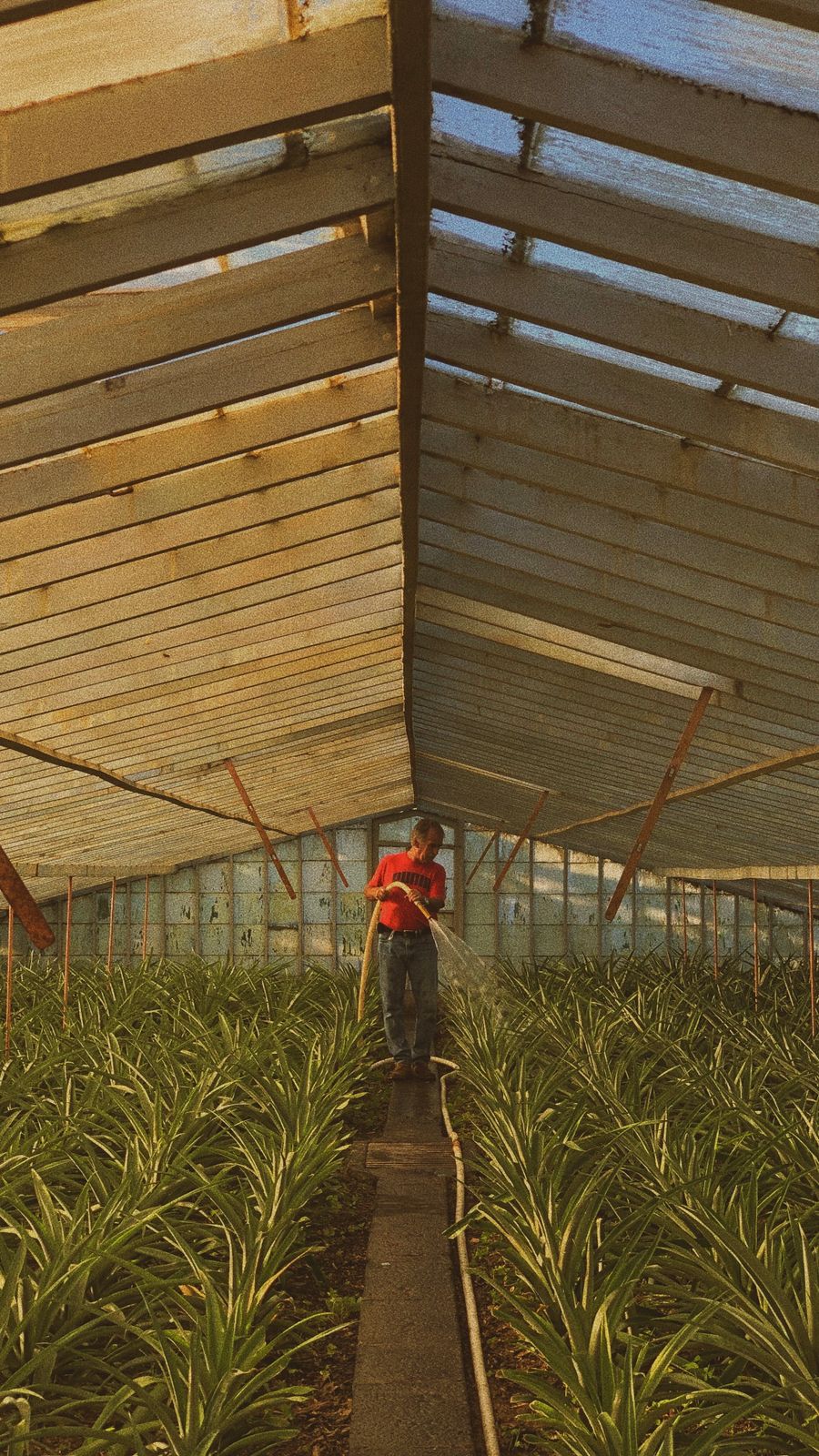
Nutrient planning for crops grown in polyhouses, greenhouses, and suitable protected structures.
Nutrient-solution planning for hydroponics, cocopeat, and other appropriate soilless growing systems.
Plants require several essential nutrients. Fertilizer recommendations should consider the crop, test results, nutrient availability, and interactions between nutrients.
An essential component of proteins and chlorophyll, supporting plant growth and leaf development.
Important for energy transfer, root development, and several growth processes.
Supports water regulation, enzyme activity, and multiple crop-development processes.
Important for cell walls, membrane function, and developing plant tissues.
A central component of chlorophyll and important in photosynthesis.
Required for certain amino acids, proteins, and plant metabolism.
Micronutrients: Iron (Fe), manganese (Mn), zinc (Zn), boron (B), copper (Cu), molybdenum (Mo), chlorine (Cl), and nickel (Ni) are also essential in small quantities. Their management should be based on crop requirements and appropriate testing.
Nutrient requirements change as crops develop. A suitable programme considers the needs of each stage rather than applying one fixed schedule to every crop.
Review soil or substrate conditions, water quality, and initial nutrient needs.
Consider young-plant requirements, root development, and nutrient availability.
Monitor plant development and adjust nutrient supply according to crop demand.
Review nutrient balance, water management, and crop-specific reproductive needs.
Evaluate nutrient records, growing conditions, and results to inform future planning.
Our approach connects test information, crop needs, application methods, and ongoing monitoring.
Review the crop, growing system, previous fertilizer use, and available soil or water-test information.
Consider crop-stage needs, existing nutrient availability, and possible imbalances.
Recommend an appropriate nutrient-management approach, subject to farm conditions and required test results.
Use crop observations, test data, and application records to evaluate the programme.
Review changes based on crop stage, growing conditions, and confirmed nutrient needs.
Common questions about fertilizer planning, nutrient testing, fertigation, and soilless crop nutrition.
It is the process of assessing crop nutrient requirements, available nutrients, fertilizer sources, application timing, and monitoring practices to develop a suitable crop nutrition programme.
Soil testing helps assess factors such as soil pH, salinity, and available nutrient levels. Results can support more informed fertilizer decisions when interpreted for the specific crop and location.
Fertigation is the application of suitable dissolved nutrients through an irrigation system. It requires attention to water quality, fertilizer solubility, equipment, crop demand, and scheduling.
Yes. Hydroponic plants obtain essential nutrients through a nutrient solution. Managing solution composition, pH, electrical conductivity, water quality, and system conditions is important.
EC means electrical conductivity. It indicates the overall concentration of dissolved ions in a solution, but it does not identify individual nutrient concentrations. It must be interpreted alongside pH, water quality, and crop requirements.
A single schedule is not appropriate for every crop. Fertilizer planning should consider crop species, growth stage, soil or substrate, water quality, and test information.
Whether your crops grow in soil, a protected structure, or a soilless system, discuss your fertilizer and nutrient-management requirements with Best Agri Farms.